Cloud Clumping System — Field Guide
2026-06-28 · every knob in motion, slowed down, with the value, the math, and the live measurement burned into each frame. Real GPU (RTX 4070 Ti SUPER, D3D11), captured straight off the renderer. Each sweep plays low → high → low and dwells at the ends so you can read them.
- meanL — average brightness (0–255).
- darks (p5) — the darkest 5% of the frame. Lower = deeper darks = more form. This is the one the CD's eye tracks most: "glaring white = missing darks."
- range — p95 − p5, the value contrast. Higher = richer structure.
- blown % — fraction of pure-white (≥250) pixels = glare. Lower is better.
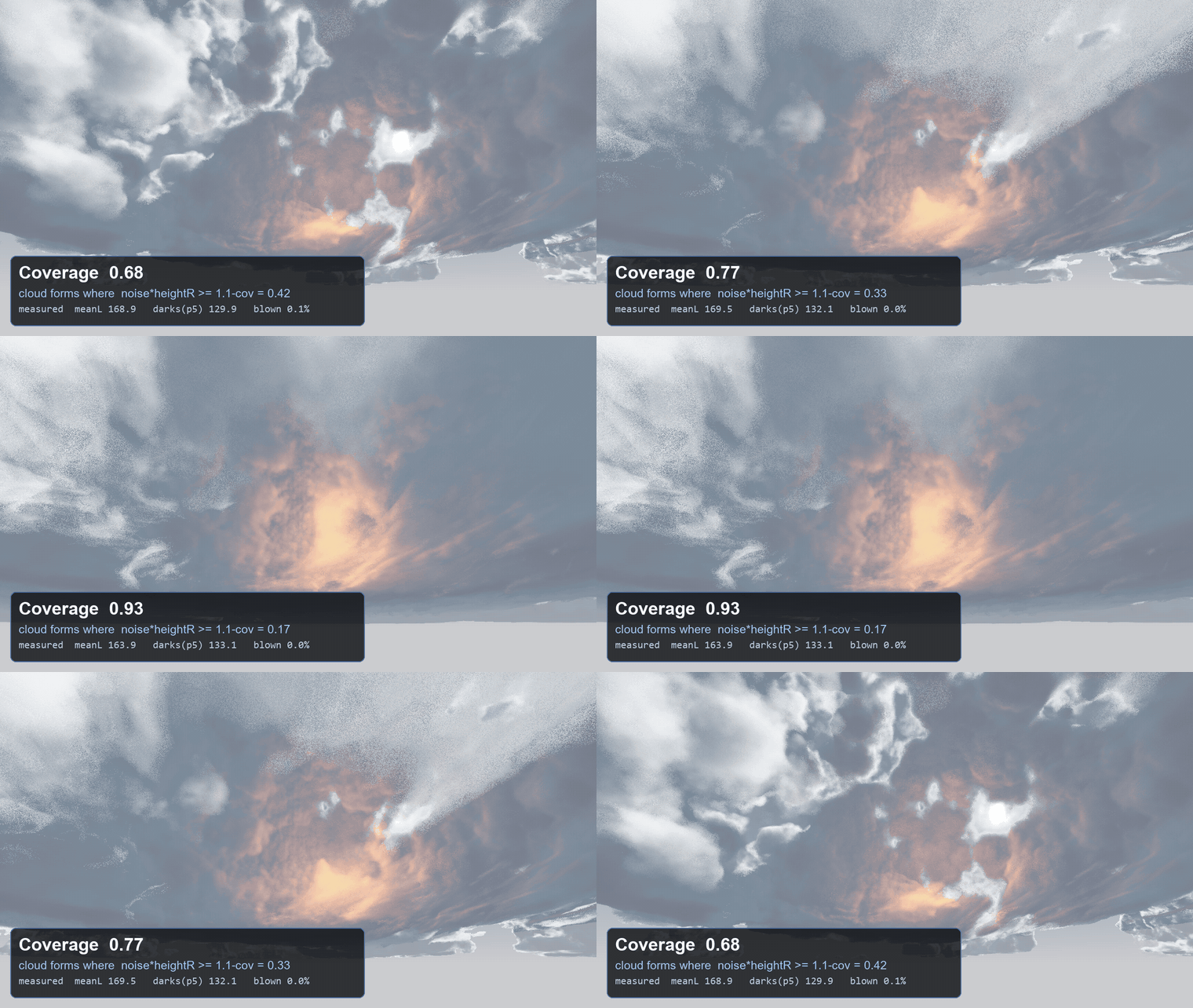
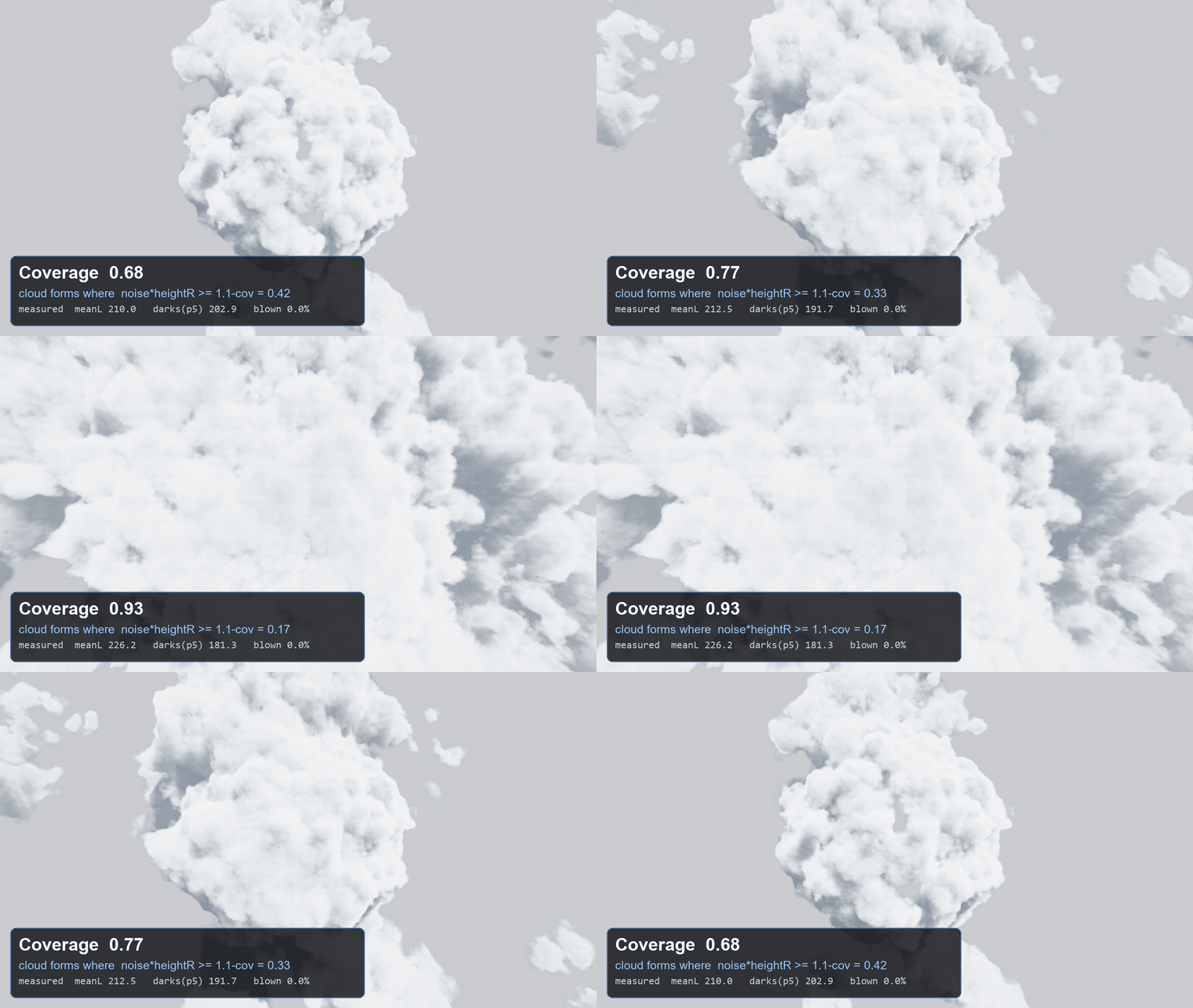
1 · Coverage the master shape dial · low = dramatic, high = flat overcast
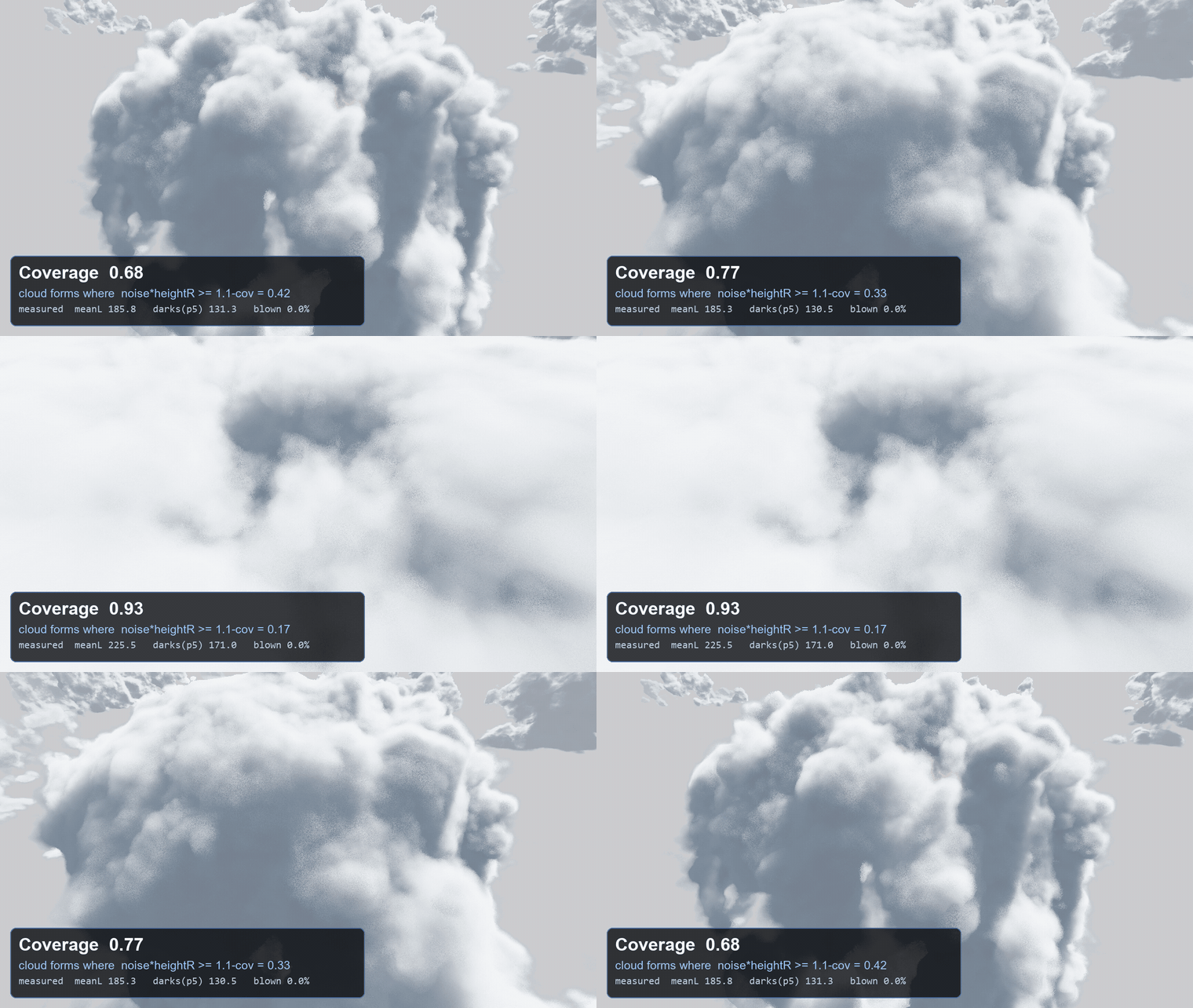
| Coverage | 1.1−cov | meanL | darks p5 | range | blown% |
|---|---|---|---|---|---|
| 0.68 | 0.42 | 185.8 | 131.3 | 104.3 | 0.0 |
| 0.79 | 0.31 | 186.1 | 131.3 | 109.5 | 0.0 |
| 0.86 | 0.24 | 216.9 | 154.7 | 87.1 | 0.0 |
| 0.93 | 0.17 | 225.5 | 171.0 | 71.7 | 0.0 |
| 0.96 | 0.14 | 228.2 | 190.0 | 53.7 | 0.0 |
What it proves: low coverage holds deep darks (p5 131) and wide range (104) — dramatic, structured cumulus. As coverage climbs, the darks lift to 190 and range collapses to 54 — the flat, milky, glaring overcast. This is "glaring white = missing darks" in numbers.
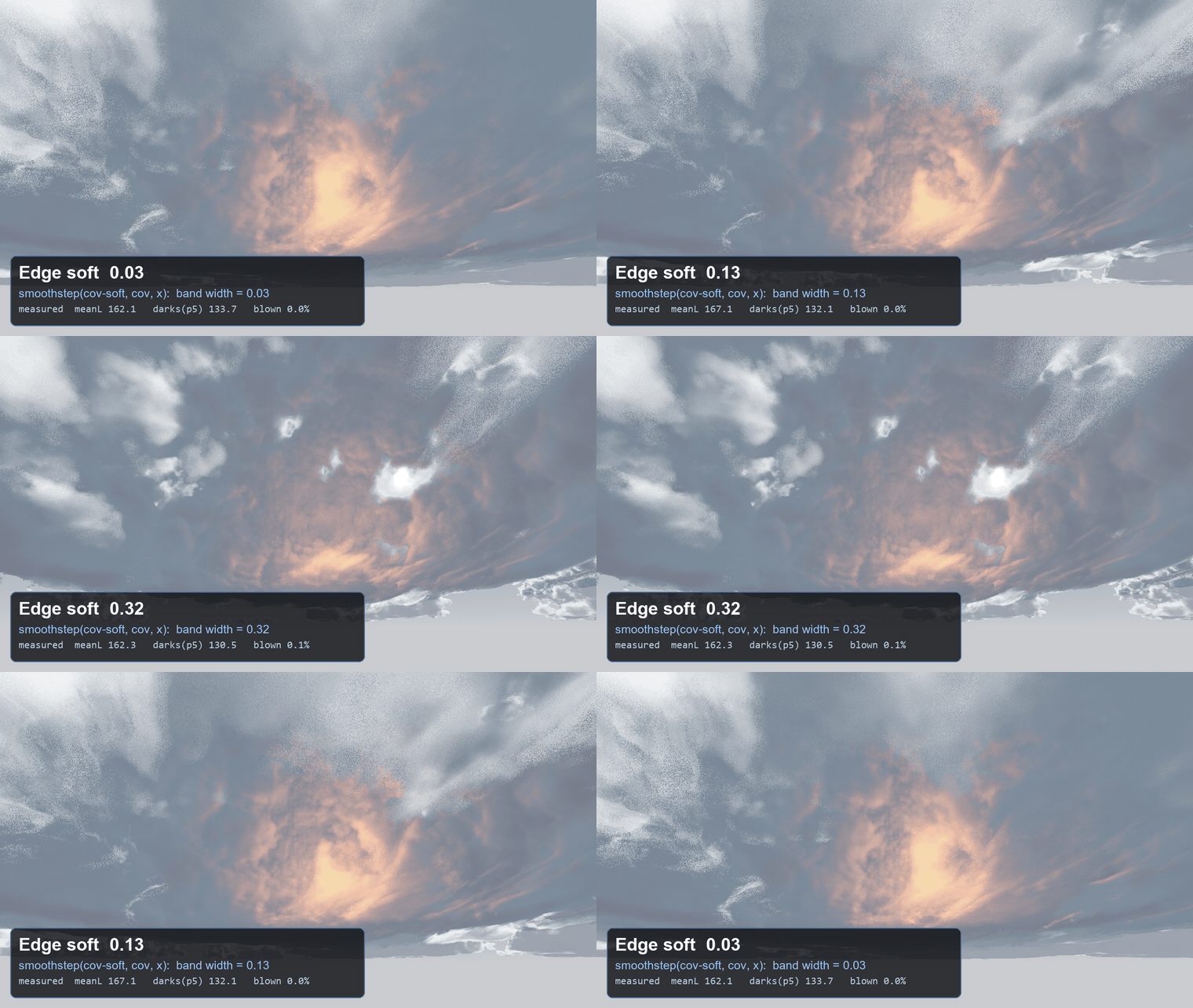
2 · Edge softness crisp cauliflower ↔ wispy
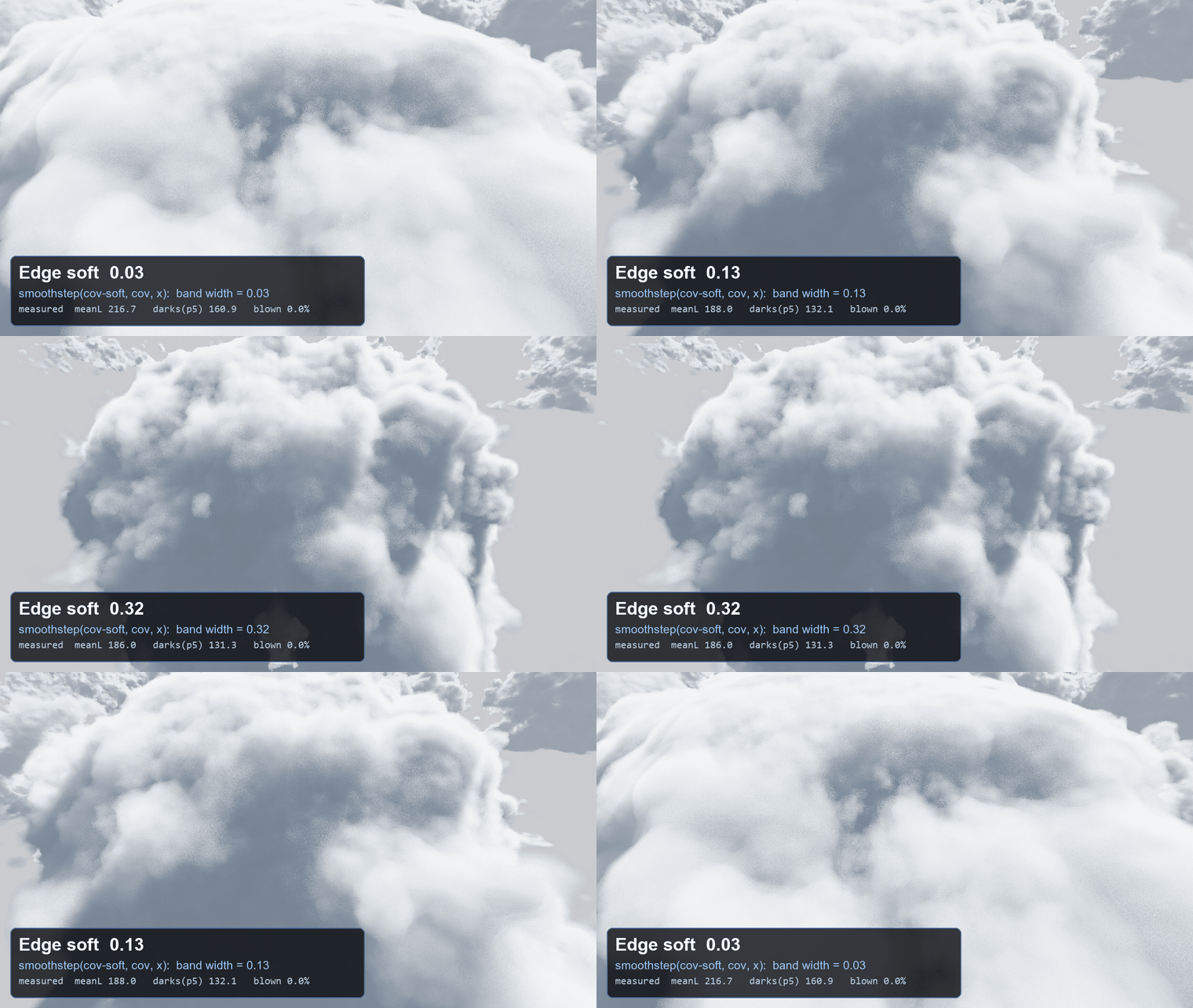
| Edge soft | meanL | darks p5 | range | blown% |
|---|---|---|---|---|
| 0.03 | 216.7 | 160.9 | 80.8 | 0.0 |
| 0.07 | 198.3 | 134.1 | 107.6 | 0.0 |
| 0.15 | 188.1 | 132.1 | 109.4 | 0.0 |
| 0.24 | 186.9 | 132.1 | 107.6 | 0.0 |
| 0.35 | 185.7 | 131.3 | 106.4 | 0.0 |
What it proves: very crisp edges (0.03) sit bright with shallow darks (p5 161, range 81). Softening past ~0.07 lets partial-density cloud through, which deepens the darks (p5 ~132) and widens range (~107) — then plateaus. Softness isn't only cosmetic: it adds mid-tone structure.
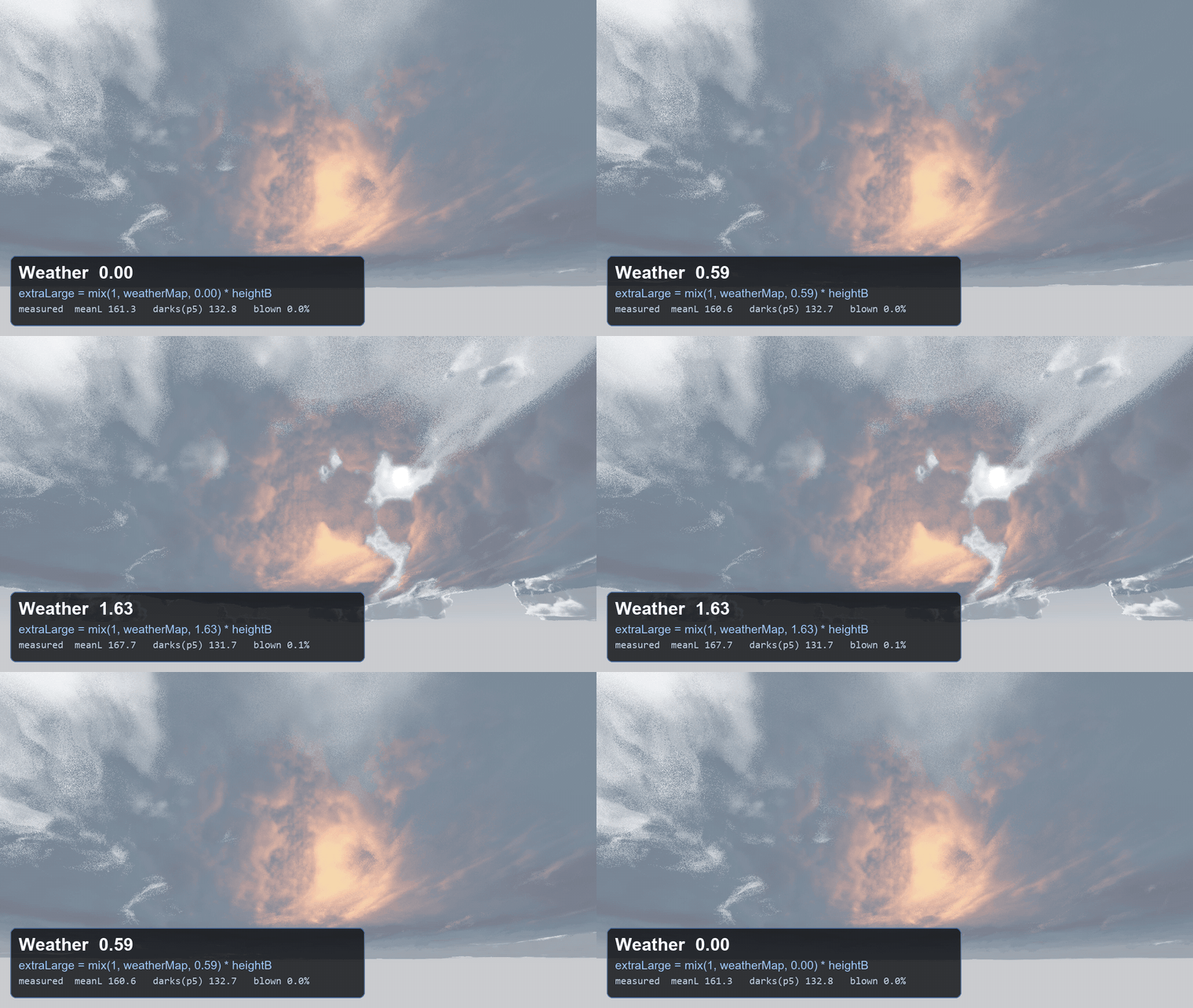
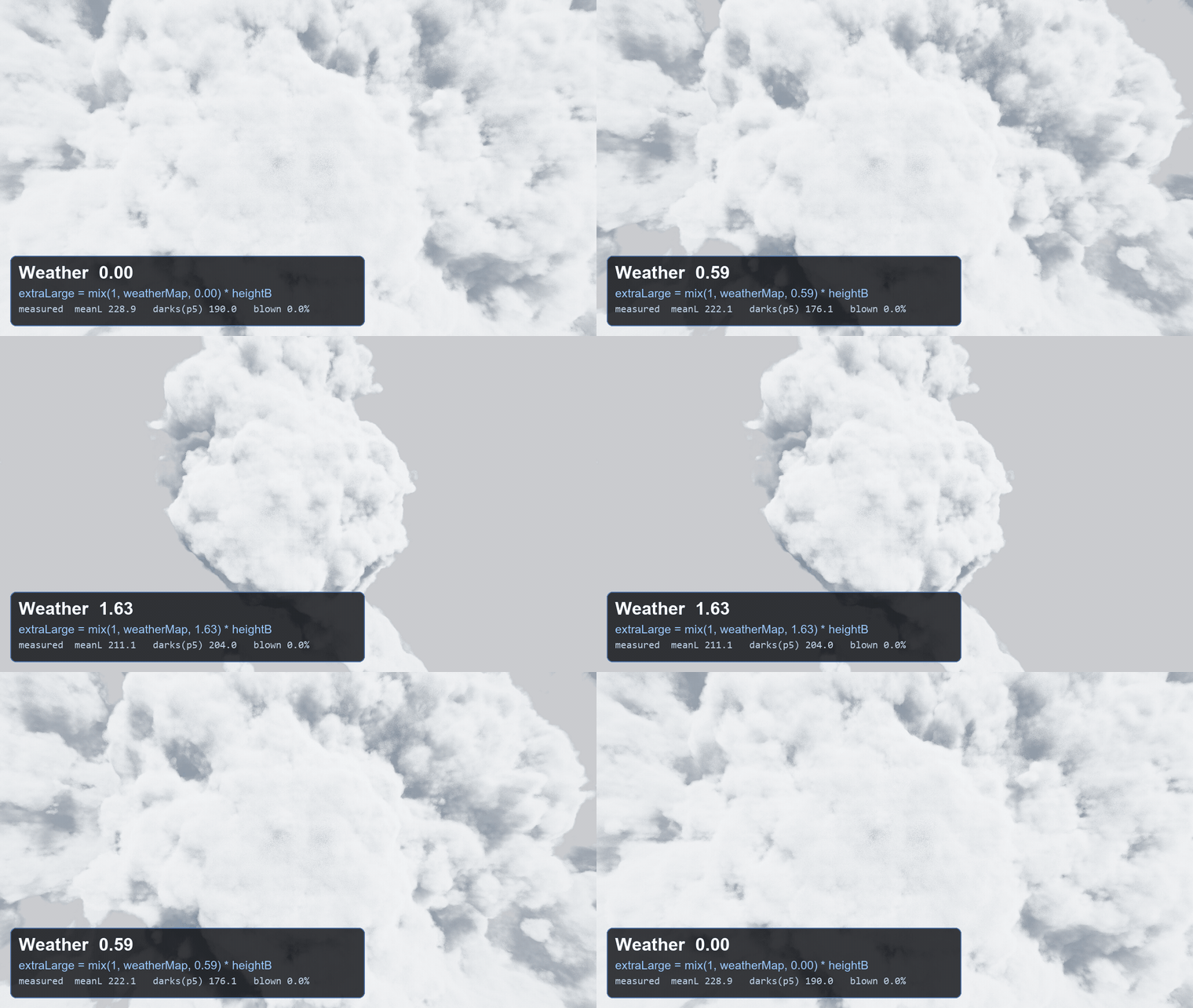
3 · Weather uniform blanket ↔ dramatic regions · the value-structure powerhouse
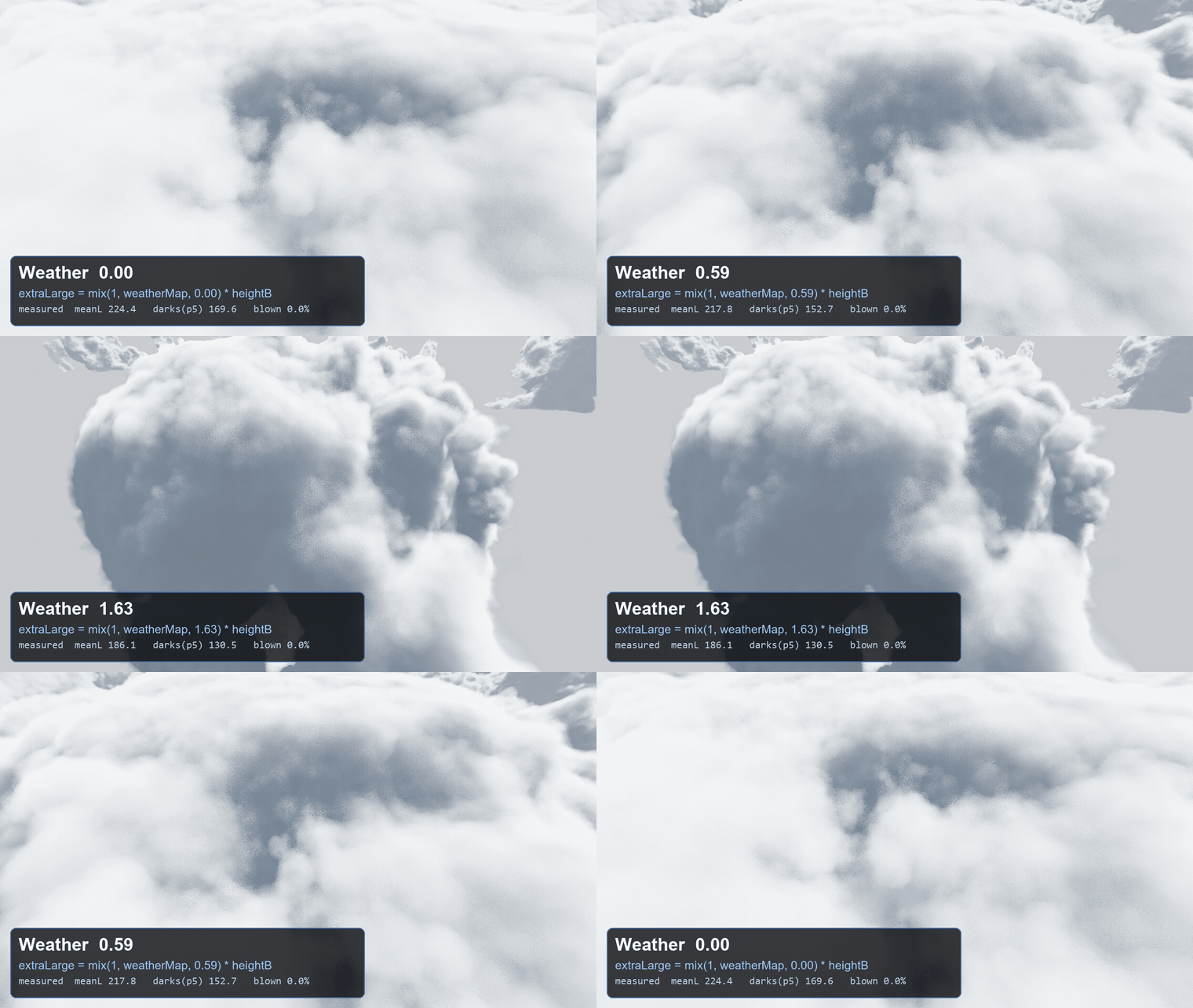
| Weather | meanL | darks p5 | range | blown% |
|---|---|---|---|---|
| 0.00 | 224.4 | 169.6 | 73.1 | 0.0 |
| 0.70 | 209.6 | 145.0 | 96.8 | 0.0 |
| 1.16 | 187.1 | 131.7 | 109.0 | 0.0 |
| 1.63 | 186.1 | 130.5 | 109.0 | 0.0 |
| 1.80 | 185.1 | 130.5 | 107.3 | 0.0 |
What it proves: a uniform field (weather 0) is bright and flat — p5 170, range 73, no dark anchor. Push weather up and the darks deepen ~40 points (→130) and range expands ~34 (→107). Weather is what turns a flat blanket into structured, readable cloud with real negative space.
4 · Wind-lean subtle by design — the numbers confirm it
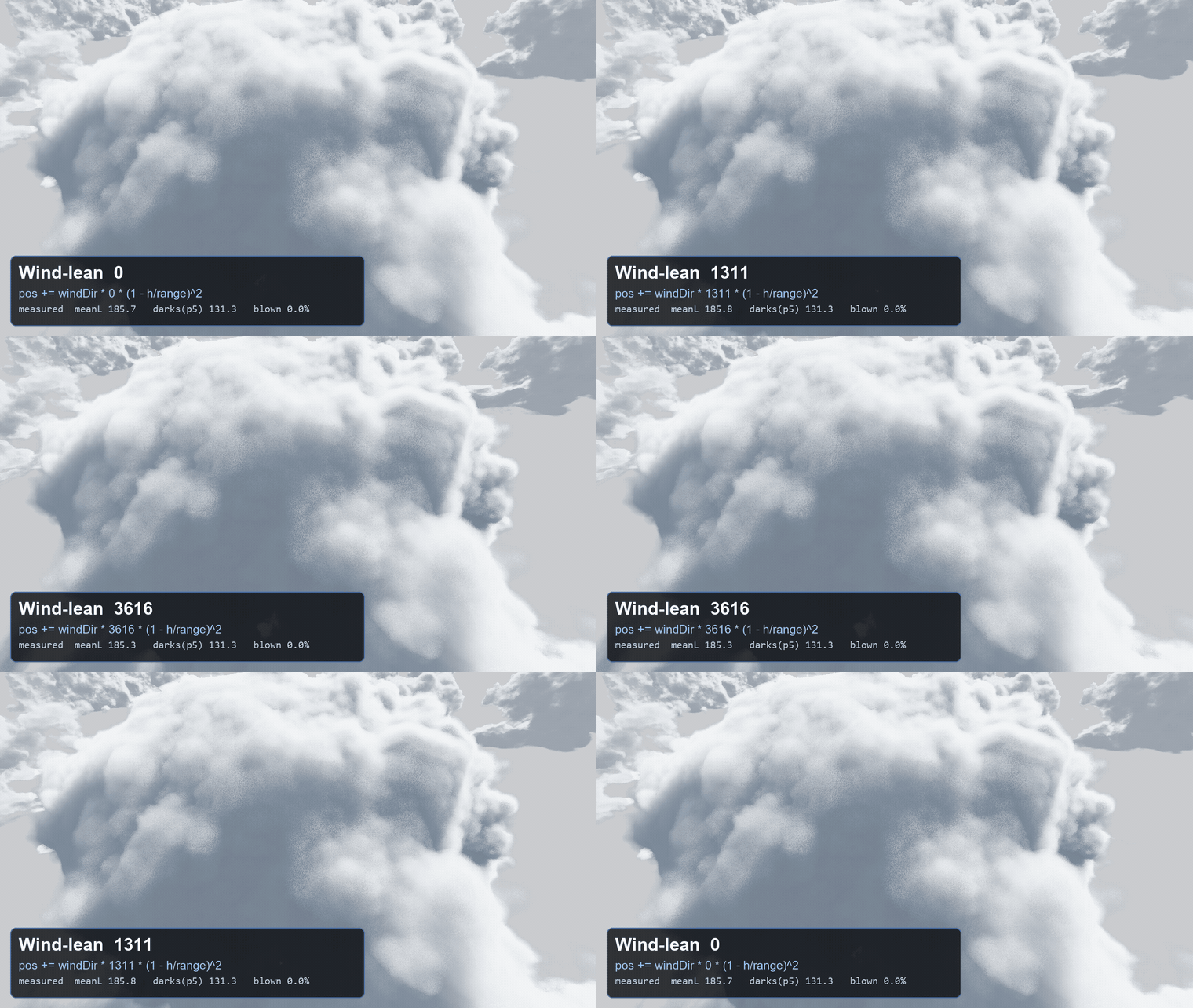
| Wind-lean | meanL | darks p5 | range | blown% |
|---|---|---|---|---|
| 0 | 185.7 | 131.3 | 109.4 | 0.0 |
| 1556 | 185.7 | 131.3 | 109.4 | 0.0 |
| 2567 | 185.6 | 131.3 | 109.4 | 0.0 |
| 3995 | 185.2 | 131.3 | 109.5 | 0.0 |
What it proves: every metric is flat across the entire range (p5 131.3, range 109.4 — unchanged). The numbers confirm what the eye saw: the lean is a fine geometric tweak, not a value/look change. It's kept for wind dynamics later, not for shaping the look. (Honest: side-on captures were dropped — clouds wash out from horizontal angles, a separate issue noted below.)
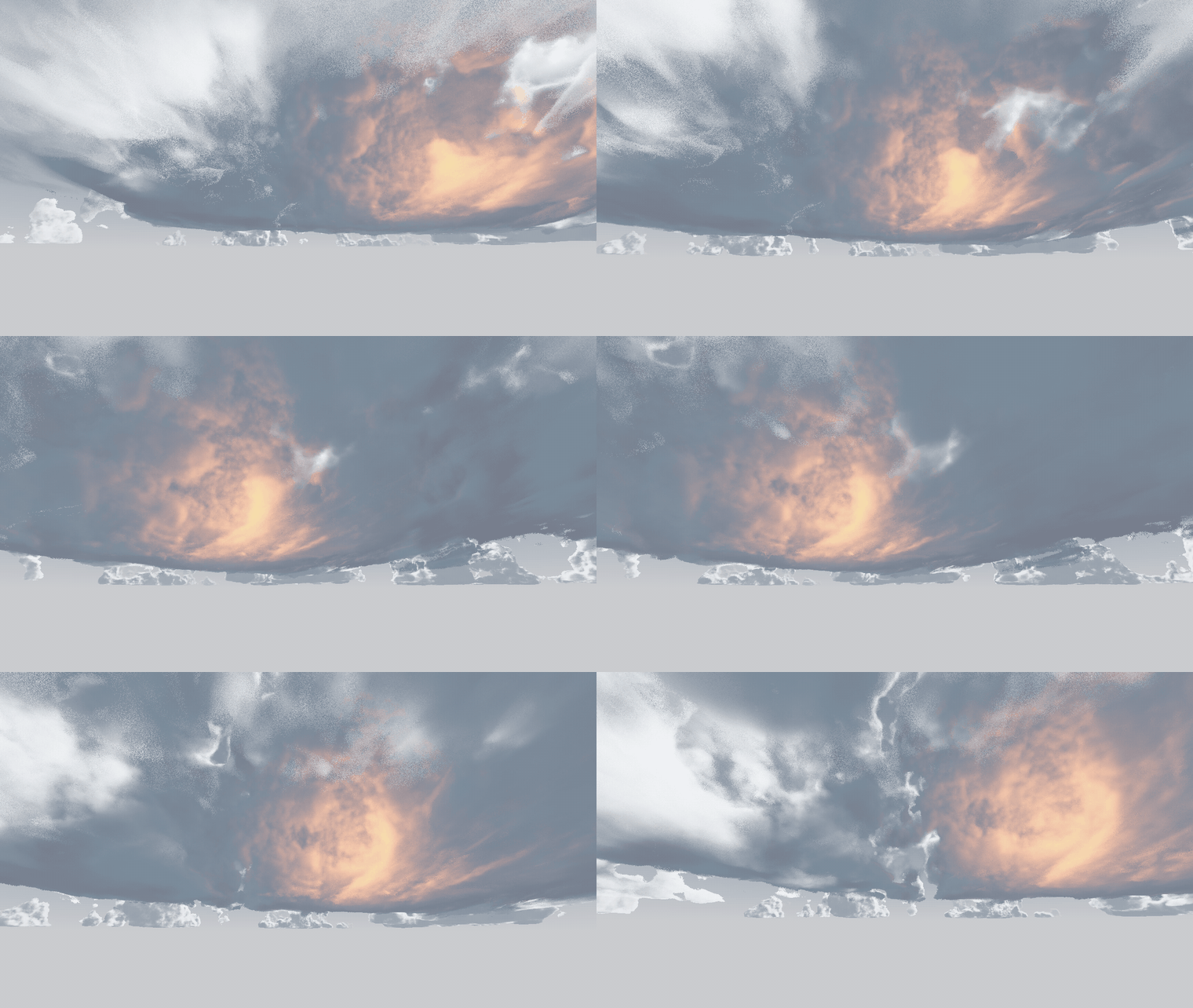
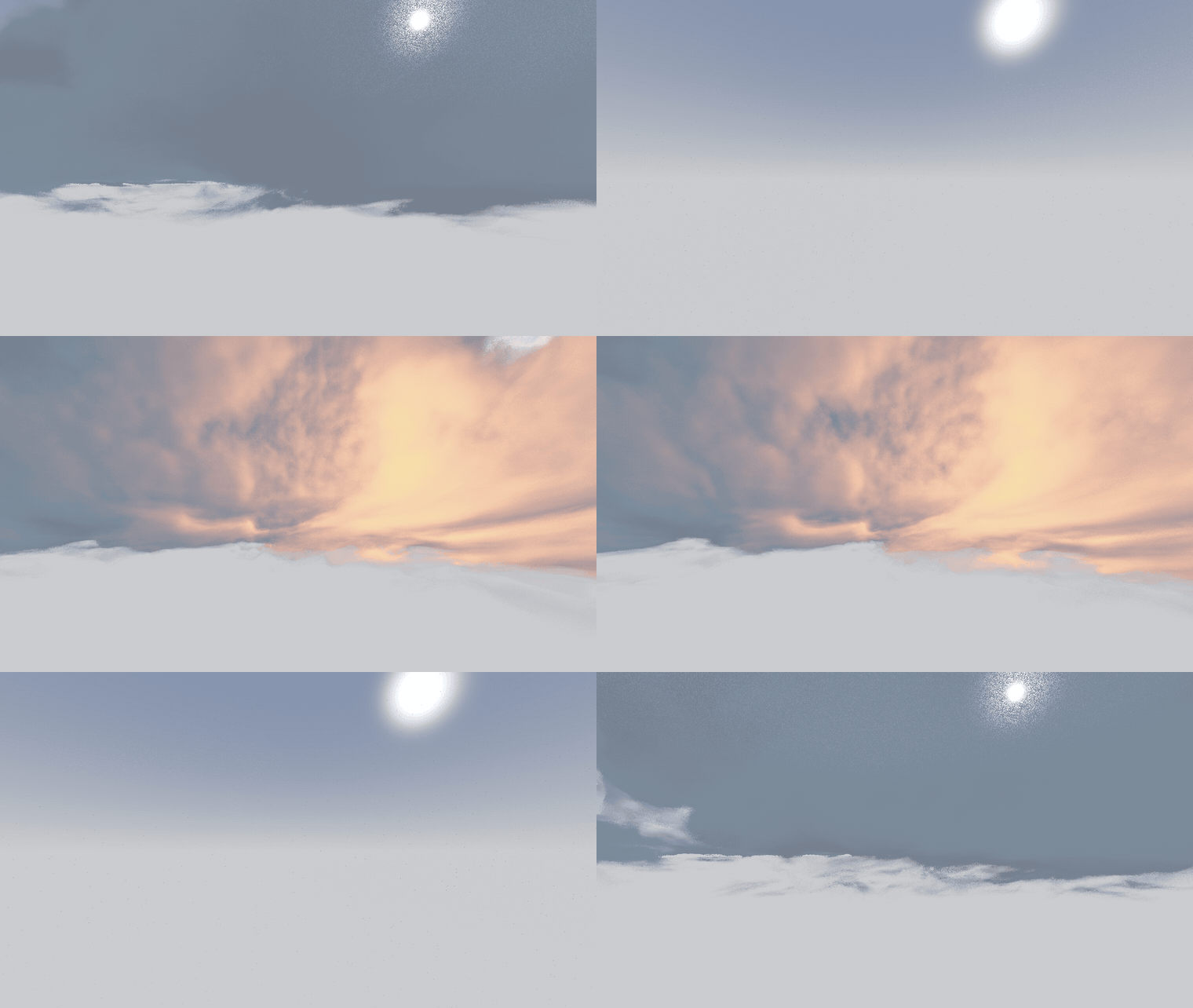
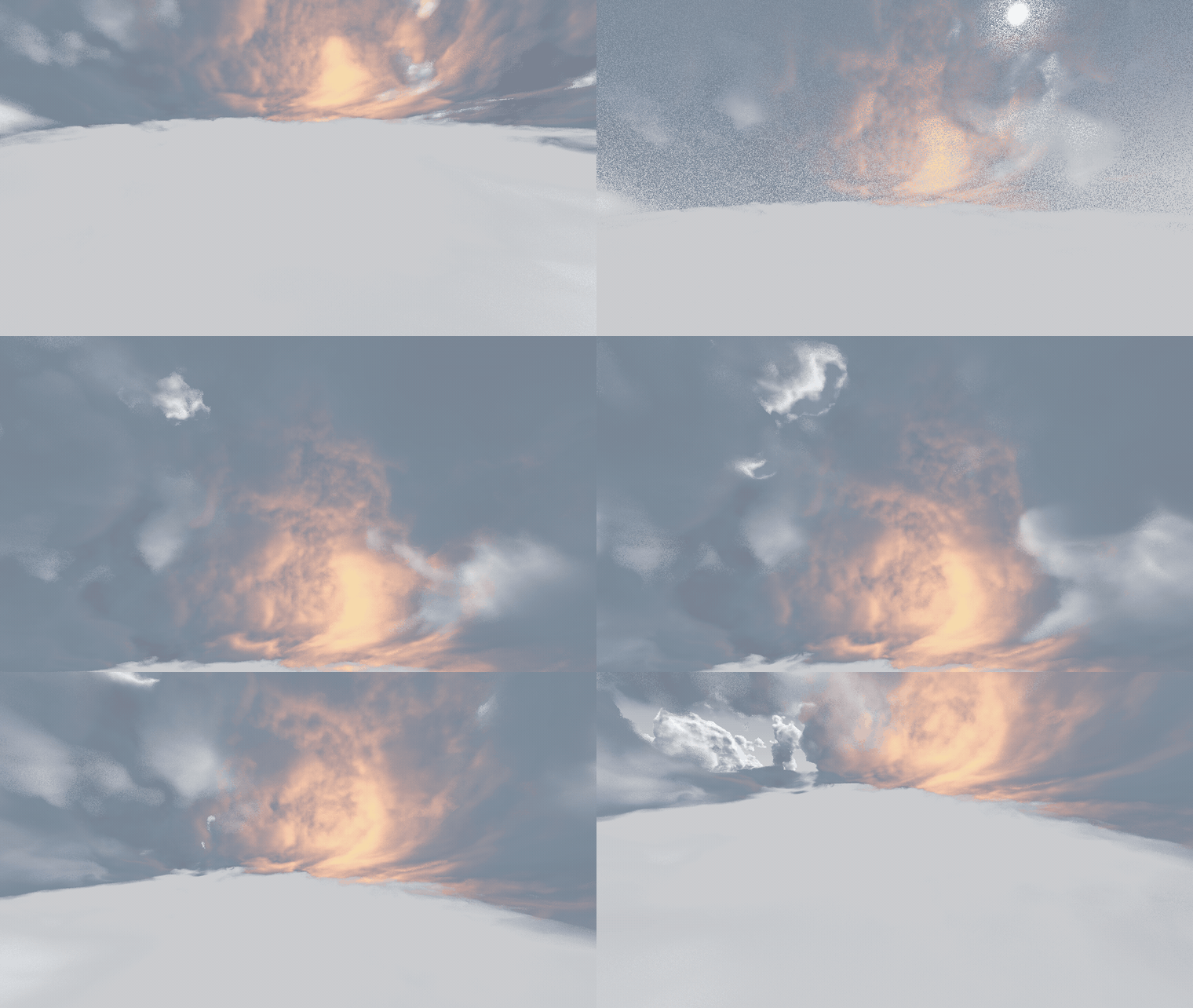
5 · The whole system, alive creative camera moves
The integrated look (coverage 0.80 · weather 1.4 · soft 0.08), animation running, slowed down.
Drive it yourself
The live renderer with the new — clumping — panel (Coverage · Edge-soft · Weather · Wind-lean) + five analytical lenses:
▶ Open the live lab dramatic →&cov=0.78&weather=1.4
crisp → &cov=0.80&soft=0.05
flat overcast → &cov=0.95
Measured live on the real render: _lab-gif.mjs drives the renderer via CDP (hides the HUD, sweeps each uniform with eased dwell at the extremes), _gif-overlay.py measures every frame's value-structure (numpy, the same metrics our cd-twin uses) and burns value + math + measurement in, ffmpeg assembles. Animation frozen on the sweeps (only the dial moves), live on the camera moves. Verified against Bonkahe's source (noise = FastNoiseLite Cellular/Worley, large inverted; our port line-faithful). The CD's eye is the verdict; these numbers are how we earn it.